Best Natural All-Purpose Cleaners: Safe, Effective, and Truly Non-Toxic Options
Natural all-purpose cleaners have evolved far beyond watered-down vinegar sprays and weak plant-based formulas. Today’s best options combine effective grease-cutting power, safer ingredients, and environmentally conscious packaging without filling your home with harsh fumes or irritating chemicals. The challenge is separating products that genuinely perform from those that rely mostly on green marketing.
Understand essential aspects of natural all-purpose cleaners.
- Choose cleaners with plant-derived surfactants and transparent ingredient lists to ensure safety and effectiveness.
- Look for third-party certifications like EPA Safer Choice and USDA Organic to identify trustworthy natural cleaning products.
- DIY cleaner recipes using basic ingredients like castile soap, vinegar, and essential oils can be cost-effective and customizable for your needs.
- For households with pets or infants, select fragrance-free and low-VOC cleaners to reduce health risks.
Many consumers assume that any product labeled “natural” is automatically healthier or safer. Unfortunately, that is not always true. Some so-called eco-friendly cleaners still contain synthetic fragrances, irritating preservatives, or undisclosed surfactants that may trigger allergies, migraines, or respiratory irritation. The best natural all-purpose cleaners balance cleaning effectiveness, ingredient transparency, surface safety, and long-term health considerations.
Natural All-Purpose Cleaners

PathoPure Natural All-Purpose Cleaner Concentrate – Unscented, Non-Toxic for Cleaning Kitchen, Bathroom, Glass, Floor, Carpet & Upholstery Stains – 1 Gallon (Makes 64 Bottles)
PathoPure Natural All-Purpose Cleaner Concentrate – Unscented, Non-Toxic for Cleaning Kitchen, Bathroom,…
VIEW LATEST PRICE
Puracy All Purpose Cleaner Concentrate – Plant-Powered Multi-Surface Cleaner – Surface Cleaner Solution As Seen on TikTok (Green Tea + Lime, 16 fl oz, 1 Pack)
Puracy All Purpose Cleaner Concentrate – Plant-Powered Multi-Surface Cleaner – Surface Cleaner…
VIEW LATEST PRICE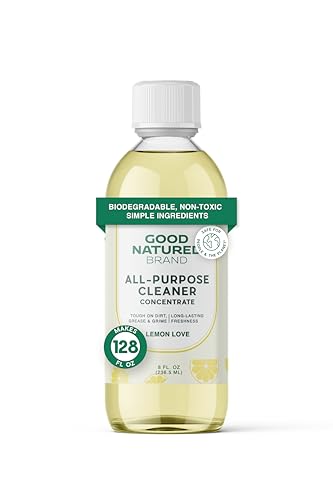
Good Natured Brand All-Purpose Cleaner Concentrate | 8oz makes 128oz | Lemon Essential Oil | 16X Concentrated Natural Multi-Surface Cleaner
Good Natured Brand All-Purpose Cleaner Concentrate | 8oz makes 128oz | Lemon…
VIEW LATEST PRICEThis guide breaks down what actually works, which ingredients matter most, and how to choose the right natural cleaner for your household.
What Makes an All-Purpose Cleaner Truly Natural and Safe?
Not every “green” cleaner deserves the label. Some products use vague marketing terms like “plant-powered” or “eco-inspired” while still containing questionable additives.
A truly natural all-purpose cleaner typically contains:
- Plant-derived surfactants
- Biodegradable ingredients
- Low-toxicity preservatives
- Minimal or no synthetic fragrance
- Transparent ingredient disclosure
- Refillable or recyclable packaging
The safest products avoid ingredients commonly associated with indoor air pollution or skin irritation, including:
- Ammonia
- Chlorine bleach
- Phthalates
- Formaldehyde-releasing preservatives
- Artificial dyes
- Petroleum solvents
Certifications That Actually Matter

Third-party certifications help identify trustworthy products.
EPA Safer Choice
Products bearing the EPA Safer Choice label are screened for safer chemical ingredients and reduced toxicity.
USDA Organic
This certification is more common for concentrated soaps and ingredient-based products rather than full cleaning sprays.
Leaping Bunny
Indicates the product is cruelty-free and not tested on animals.
EWG Verification
Some consumers also look for Environmental Working Group verification, which evaluates ingredient safety and disclosure.
Understanding pH and Cleaning Power
The effectiveness of natural cleaners often depends on pH balance.
- Acidic cleaners dissolve mineral deposits and soap scum
- Alkaline cleaners break down grease and oils
- Neutral cleaners are safer for delicate surfaces
For example:
- Vinegar is acidic
- Baking soda is mildly alkaline
- Castile soap is alkaline but gentle
Understanding this helps prevent surface damage while maximizing cleaning performance.
Top 10 Best Natural All-Purpose Cleaners
After comparing cleaning performance, ingredient transparency, scent quality, and cost-per-use, several products consistently stand out.
1. Dr. Bronner’s Pure-Castile Soap
One of the most versatile natural cleaners available.
Pros
- Highly concentrated
- Multi-surface compatible
- Excellent grease cutting
- Extremely cost-effective
Cons
- Requires dilution
- Can leave residue if overused
Castile soap works particularly well on countertops, floors, and general household grime.
2. Branch Basics Concentrate
Popular among families seeking fragrance-free cleaning.
Pros
- Fragrance-free option
- Plant- and mineral-based
- Refillable system
- Safe for sensitive households
Cons
- Higher upfront cost
- Requires mixing
This product is often recommended for asthma-sensitive homes.
3. Seventh Generation All-Purpose Cleaner

Widely available and easy to use.
Pros
- EPA Safer Choice certified
- Strong grease removal
- Affordable
- Readily available in stores
Cons
- Some scents may be overpowering
- Not the most concentrated formula
4. Method All-Purpose Spray
Known for modern packaging and pleasant scents.
Pros
- Attractive packaging
- Good daily maintenance cleaner
- Pleasant fragrance profiles
Cons
- Some formulas contain stronger fragrance blends
- Less effective on heavy grease
5. Mrs. Meyer’s Clean Day Multi-Surface Cleaner
A favorite for homeowners who prioritize scent.
Pros
- Pleasant essential-oil-inspired fragrances
- Good general cleaning power
- Affordable refill packs
Cons
- Fragrance-sensitive individuals may react
6. Better Life Naturally Dirt-Destroying Cleaner
Designed for strong degreasing performance.
Pros
- Excellent kitchen performance
- No synthetic fragrances
- Plant-derived cleaning agents
Cons
- Bottle sprayer quality can vary
7. Puracy Multi-Surface Cleaner

Developed with plant-based chemistry and minimal irritants.
Pros
- Hypoallergenic
- Gentle scent
- Safe on many surfaces
Cons
- Premium pricing
8. ECOS Universal Cleaner
Budget-friendly and widely accessible.
Pros
- Economical
- Readily available
- Mild formulation
Cons
- Less effective on heavy-duty grime
9. Biokleen All Purpose Cleaner

Concentrated and effective.
Pros
- Strong cleaning performance
- Concentrated formula
- Minimal artificial fragrance
Cons
- May require rinsing on some surfaces
10. Attitude Nature+ Cleaner
Known for transparency and environmental standards.
Pros
- EWG-conscious formulation
- Vegan and cruelty-free
- Good ingredient disclosure
Cons
- Higher price point
What Is the Most Powerful Natural Cleaner?
Different natural ingredients excel at different cleaning tasks.
Castile Soap

Castile soap is one of the most versatile natural cleaning ingredients available.
It works by lifting oils and dirt through plant-derived surfactants. Because it is concentrated, a small amount can clean large areas effectively.
Best for:
- Floors
- Counters
- General cleaning
- Light grease
Vinegar
White vinegar dissolves:
- Mineral buildup
- Soap scum
- Hard water stains
However, vinegar should NOT be used on:
- Natural stone
- Granite
- Marble
- Waxed surfaces
Its acidity can damage delicate finishes over time.
Baking Soda

Baking soda works as:
- A mild abrasive
- A deodorizer
- A stain remover
Excellent for:
- Sinks
- Ovens
- Refrigerators
- Upholstery odors
Citric Acid
Citric acid is extremely effective against:
- Hard water stains
- Soap scum
- Mineral deposits
It is often stronger than vinegar for bathroom buildup.
Essential Oils

Essential oils offer more than fragrance.
Tea tree oil, eucalyptus oil, and thyme oil have demonstrated antimicrobial properties in laboratory settings. However, they should not automatically be considered EPA-level disinfectants.
Enzyme-Based Cleaners
Enzymes break down organic material such as:
- Food residue
- Pet accidents
- Protein-based stains
These cleaners are particularly useful in homes with pets.
DIY Natural All-Purpose Cleaner Recipes That Actually Work
Homemade cleaners can reduce costs dramatically while giving you full ingredient control.
Basic Everyday Cleaner

Ingredients
- 2 cups distilled water
- 1 tablespoon castile soap
- 10 drops lemon essential oil
Instructions
Mix gently in a spray bottle and shake lightly before use.
Best for:
- Countertops
- Cabinets
- General dust and grime
Heavy-Duty Kitchen Degreaser
Ingredients
- 1 cup warm water
- 1 cup white vinegar
- 1 tablespoon castile soap
- 15 drops orange essential oil
Excellent for:
- Stove grease
- Range hoods
- Sticky residue
Do not use on stone countertops.
Wood-Safe Cleaner

Ingredients
- 2 cups water
- 1 teaspoon castile soap
- 5 drops lavender essential oil
Safe for:
- Sealed wood
- Furniture
- Laminate
Natural Disinfecting Spray
Ingredients
- 1 cup rubbing alcohol
- 1 cup water
- 20 drops tea tree oil
Useful for:
- High-touch surfaces
- Bathroom fixtures
- Doorknobs
Always test surfaces first.
Common DIY Mistakes

Many homemade cleaner failures happen because people:
- Use too much soap
- Combine incompatible ingredients
- Store mixtures too long
- Use vinegar on delicate surfaces
Never mix vinegar and castile soap in concentrated form without proper dilution, as it can reduce cleaning effectiveness.
What Do Maids Use to Make a House Smell Good?
Professional house cleaners often focus less on masking odors and more on removing their source.
Deep Cleaning First
A genuinely fresh-smelling home usually comes from:
- Removing grease buildup
- Eliminating dust
- Cleaning soft surfaces
- Improving airflow
Many unpleasant odors originate from fabrics, carpets, upholstery, and HVAC systems rather than visible dirt.
Natural Odor Eliminators

Professional cleaners frequently use:
- Baking soda
- Activated charcoal
- Enzyme sprays
- Vinegar rinses
- HEPA filtration
These remove odors instead of covering them.
Essential Oil Combinations
Popular combinations include:
Kitchen
- Lemon + rosemary
Bathroom
- Eucalyptus + peppermint
Bedroom
- Lavender + cedarwood
Living Room
- Orange + clove
Simmer Pots

A simple simmer pot can naturally scent an entire home.
Ingredients
- Orange slices
- Cinnamon sticks
- Cloves
- Rosemary
Simmer gently on the stove for several hours.
Ventilation Matters
Fresh indoor air often depends more on airflow than fragrance.
Professional cleaners frequently:
- Open windows
- Run exhaust fans
- Replace HVAC filters
- Use dehumidifiers
Best Natural Cleaners for Health Concerns
Some households require extra caution.
Asthma and Respiratory Sensitivities

The safest choices are typically:
- Fragrance-free
- Low-VOC
- Dye-free
Strong essential oils can still trigger asthma symptoms in sensitive individuals.
Good options include:
- Branch Basics
- Puracy Free & Clear
- Fragrance-free castile soap solutions
Migraine-Safe Cleaning Products
Many migraine sufferers react to:
- Synthetic fragrance
- Strong essential oils
- Aerosolized chemicals
The safest approach is often unscented cleaning products.
Pet-Safe Natural Cleaners

Certain essential oils can be dangerous for pets.
Use caution with:
- Tea tree oil
- Pine oil
- Clove oil
- Cinnamon oil
Pet-safe products should clearly disclose ingredients.
Baby-Safe Cleaning
Homes with infants benefit from:
- Fragrance-free cleaners
- Minimal residue formulas
- Non-aerosol sprays
Surface rinsing is especially important on high-chair trays and toys.
Chemical Sensitivities

People with multiple chemical sensitivity (MCS) often tolerate:
- Simple ingredient formulations
- Unscented products
- Minimal preservatives
Complex fragrance blends can still trigger reactions even in “natural” products.
Performance Comparison: Natural vs Conventional Cleaners
A common myth is that natural cleaners do not work as well.
That is not entirely true.
Where Natural Cleaners Perform Extremely Well
Natural products excel at:
- Daily maintenance cleaning
- Light grease removal
- Dust and dirt
- Odor control
- Glass cleaning
- Mild bathroom cleaning
Where Conventional Products Still Have Advantages

Conventional cleaners may outperform natural alternatives in:
- Heavy disinfecting
- Mold remediation
- Industrial grease
- Severe soap scum
- Large-scale sanitization
Hospitals and commercial kitchens often require EPA-registered disinfectants with verified kill claims.
Cost Comparison
Many concentrated natural cleaners become highly economical over time.
For example:
- A bottle of concentrated castile soap may produce dozens of spray bottles
- Refill systems reduce packaging costs
- DIY formulas often cost pennies per use
Store-bought ready-to-use sprays may appear cheaper initially but cost more long term.
Environmental Impact

Natural cleaners generally:
- Produce fewer VOCs
- Reduce aquatic toxicity
- Use biodegradable ingredients
- Offer refill systems
However, packaging waste still matters. Concentrates and refill pouches usually offer the lowest environmental footprint.
How to Avoid Greenwashing
One of the biggest problems in the natural cleaning industry is misleading marketing.
Watch for vague claims like:
- “Eco-inspired”
- “Natural scent”
- “Plant-powered technology”
Without ingredient disclosure, these terms mean very little.
Read the Ingredient List
Look for:
- Full transparency
- Recognizable ingredients
- Specific surfactant names
- Fragrance disclosure
Avoid products that simply list:
- “Fragrance”
- “Cleaning agents”
- “Proprietary blend”
Compare Certifications

A product carrying multiple trusted certifications is generally more reliable than one relying only on marketing language.
Are Natural Cleaners Worth It?
For many households, yes.
Natural all-purpose cleaners can:
- Improve indoor air quality
- Reduce skin irritation
- Lower exposure to harsh chemicals
- Minimize environmental impact
- Provide excellent daily cleaning performance
The key is choosing products based on performance and ingredient transparency rather than marketing buzzwords alone.
The best approach is often a hybrid system:
- Natural cleaners for daily maintenance
- Stronger disinfectants reserved for targeted situations
That strategy minimizes unnecessary chemical exposure while maintaining an effective cleaning routine.
Frequently Asked Questions
What are the safest all-purpose cleaners for families with children?
Fragrance-free, dye-free, plant-based cleaners with transparent ingredients are generally safest. Concentrated castile soap solutions and EPA Safer Choice-certified products are popular choices.
Can natural all-purpose cleaners kill bacteria and viruses?

Some can reduce bacteria and certain viruses, but not all qualify as EPA-registered disinfectants. Always check the label for verified disinfecting claims.
What cleaning products are safest for migraines?
Unscented or fragrance-free products are usually best. Even natural essential oils may trigger migraines in sensitive individuals.
Are natural cleaning products more expensive?

Not always. Concentrated formulas and DIY recipes can actually reduce long-term cleaning costs substantially.
What surfaces should never be cleaned with vinegar?
Avoid using vinegar on:
- Marble
- Granite
- Natural stone
- Waxed wood
- Certain electronics
Its acidity can damage protective finishes.
What is the healthiest all-purpose cleaner?

The healthiest cleaner depends on your needs, but products with minimal ingredients, fragrance-free formulas, and full ingredient transparency are usually safest for long-term household use.
Switching to safer cleaning products does not require sacrificing effectiveness. With the right ingredients and realistic expectations, natural all-purpose cleaners can handle the vast majority of everyday household messes while creating a healthier indoor environment for your family.
Frequently Asked Questions
What are the safest all-purpose cleaners for families with children?
Fragrance-free, dye-free, plant-based cleaners with transparent ingredients are generally the safest for families with children. Concentrated castile soap solutions and products certified by the EPA Safer Choice label are popular options that prioritize safety and effectiveness.
Can natural all-purpose cleaners kill bacteria and viruses?
Some natural all-purpose cleaners can reduce bacteria and certain viruses, but not all are classified as EPA-registered disinfectants. It's important to check the product label for any verified disinfecting claims to ensure it meets your sanitation needs.
What cleaning products are safest for migraines?
For individuals prone to migraines, unscented or fragrance-free cleaning products are usually the safest choice. Even natural essential oils can trigger migraines in sensitive individuals, so opting for products with minimal to no fragrance is advisable.
Are natural cleaning products more expensive?
Not necessarily. While some natural cleaning products may have a higher upfront cost, concentrated formulas and DIY recipes can significantly reduce long-term cleaning expenses. Over time, these options can be more economical compared to ready-to-use sprays.
What surfaces should never be cleaned with vinegar?
Vinegar should not be used on surfaces such as marble, granite, natural stone, waxed wood, and certain electronics, as its acidity can damage protective finishes. Always consider the material of the surface before using vinegar as a cleaning agent.