Best Cleaning Products for Asthma Sufferers (2026 Guide)
Living with asthma often means paying close attention to triggers that other people barely notice. Dust, pollen, pet dander, smoke, and even strong fragrances can irritate the airways and trigger coughing, wheezing, or shortness of breath. One commonly overlooked trigger is household cleaning products. Many traditional cleaners contain harsh chemicals, synthetic fragrances, and airborne irritants that can worsen respiratory symptoms almost immediately.
Essential tips for safe cleaning for asthma sufferers.
- Choose fragrance-free and plant-based cleaning products to minimize respiratory irritation.
- Avoid common triggers like synthetic fragrances, ammonia, and bleach when selecting cleaning supplies.
- Implement safe cleaning techniques, such as using microfiber cloths and improving ventilation, to further reduce asthma risks.
- Consider DIY cleaning solutions with ingredients like vinegar and baking soda for effective and natural cleaning.
The good news is that maintaining a clean home does not require exposing yourself to harsh chemicals. Today, many safer alternatives are available, including fragrance-free cleaners, plant-based products, and DIY cleaning solutions that are less likely to aggravate asthma symptoms. This guide explains how cleaning products affect asthma, which ingredients to avoid, and the best cleaning products and techniques for creating a healthier home environment.
Asthma-Friendly Cleaning Products
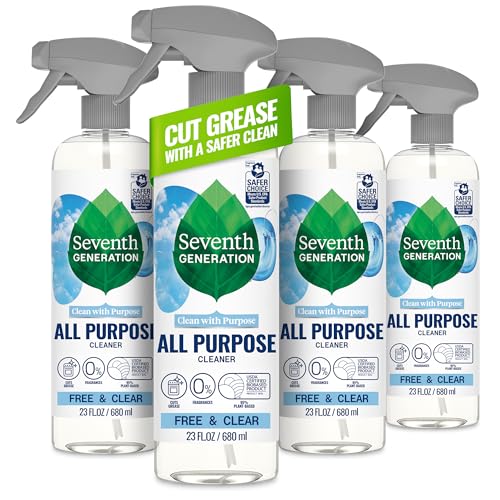
Seventh Generation All Purpose Cleaner, Free & Clear, 23 oz, Pack of 4, Plant-Based Cleaning Spray, Cuts Grease & Grime, No Fragrance or VOCs, Safe for Kids & Pets, Works on Glass, Sealed Wood & More
Seventh Generation All Purpose Cleaner, Free & Clear, 23 oz, Pack of…
VIEW LATEST PRICE
Clorox Free & Clear Multi Surface Cleaner, Spray Bottle, Fragrance Free, 32 Fluid Ounces, Pack of 3
Clorox Free & Clear Multi Surface Cleaner, Spray Bottle, Fragrance Free, 32…
VIEW LATEST PRICE
ATTITUDE All Purpose Cleaner Spray, EWG Verified, Vegan, Made with 94% Plant-Based Ingredients, Streak-Free for Kitchen, Bathroom, Glass & More, Unscented, 27.1 Fl Oz
ATTITUDE All Purpose Cleaner Spray, EWG Verified, Vegan, Made with 94% Plant-Based…
VIEW LATEST PRICEUnderstanding How Cleaning Products Trigger Asthma Symptoms

Cleaning products can trigger asthma in several different ways. Some chemicals irritate the lining of the airways directly, while others release fumes or volatile organic compounds (VOCs) that inflame the respiratory system. Aerosol sprays are especially problematic because they disperse tiny airborne particles that are easy to inhale deep into the lungs.
For asthma sufferers, even brief exposure to certain cleaners can cause:
- Wheezing
- Chest tightness
- Persistent coughing
- Shortness of breath
- Eye and throat irritation
Many conventional cleaners contain chemicals such as ammonia, chlorine bleach, formaldehyde-releasing preservatives, and synthetic fragrances. These substances may create immediate respiratory irritation or contribute to long-term sensitivity with repeated exposure.
Research has also shown that professional cleaners and custodial workers experience higher rates of occupational asthma because of repeated exposure to chemical cleaning agents. However, homeowners can experience similar issues when using strong cleaners frequently in enclosed spaces such as bathrooms or kitchens.
Harmful Ingredients Asthma Sufferers Should Avoid
Understanding labels is one of the most important steps in choosing asthma-friendly cleaning products. Many products marketed as “fresh” or “powerful” contain ingredients that can irritate the lungs.
Synthetic Fragrances
Fragrances are among the most common asthma triggers. Even products labeled “natural scent” may contain dozens of undisclosed fragrance chemicals. Strong floral or citrus smells may seem pleasant, but they can significantly irritate sensitive airways.
Look for:
- Fragrance-free
- Unscented
- No artificial perfume
Chlorine Bleach
Bleach fumes can be extremely irritating for asthma sufferers. When bleach is used in poorly ventilated spaces, it can trigger coughing and breathing difficulty within minutes.
Avoid:
- Sodium hypochlorite cleaners
- Chlorine disinfectants
- Bleach sprays
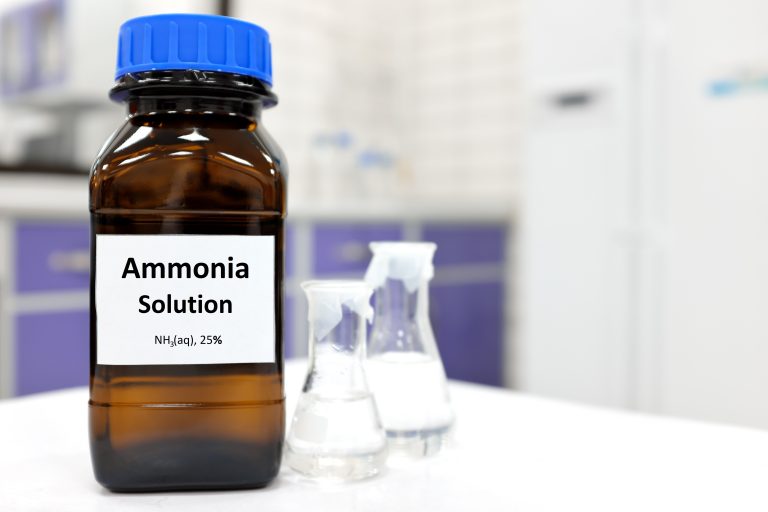
Ammonia
Ammonia produces strong vapors that irritate the eyes, throat, and lungs. It is commonly found in glass cleaners and heavy-duty degreasers.
Quaternary Ammonium Compounds (“Quats”)
These disinfectant chemicals are widely used in antibacterial cleaners and disinfecting wipes. Some studies suggest quats may contribute to respiratory sensitization and occupational asthma.
Aerosol Propellants
Spray cleaners and aerosol disinfectants can disperse microscopic particles into the air, increasing the likelihood of inhalation.
Whenever possible, choose:
- Liquid cleaners
- Pump sprays
- Pour bottles
- Concentrates mixed manually
Volatile Organic Compounds (VOCs)
VOCs evaporate into the air and can worsen indoor air quality. Common VOC-containing products include:
- Furniture polish
- Air fresheners
- Oven cleaners
- Solvent-based degreasers
Reading labels carefully can help identify problematic ingredients before they become an issue.
Best Asthma-Friendly Cleaning Product Brands
Fortunately, many companies now produce cleaning products designed with respiratory sensitivity in mind.
1. Seventh Generation
Seventh Generation offers fragrance-free and plant-based products that are widely recommended for sensitive households.
Best options:
- Free & Clear All-Purpose Cleaner
- Fragrance-Free Dish Soap
- Free & Clear Laundry Detergent
Pros:
- Widely available
- No synthetic fragrances
- Plant-based ingredients
2. ECOS
ECOS focuses on environmentally conscious formulas with reduced harsh chemical exposure.
Recommended products:
- ECOS All Purpose Cleaner
- ECOS Laundry Detergent Free & Clear
- ECOS Dishmate
Pros:
- Affordable
- Readily available
- Safer ingredient profiles
3. Branch Basics
Branch Basics uses a concentrate system that allows users to dilute products for multiple cleaning tasks.
Benefits:
- Minimal ingredient list
- Fragrance-free
- Reduced chemical exposure
4. AspenClean
AspenClean products are known for:
- EcoCert certification
- Fragrance-free options
- Plant-based formulas
5. Asthma and Allergy Foundation of America Certified Products
Some products carry asthma and allergy friendly certification. These certifications help identify products tested for reduced allergen and irritant impact.
Look for products certified by:
- AAFA
- Allergy Standards Limited
These certifications can provide additional reassurance for highly sensitive individuals.
DIY Natural Cleaning Solutions for Asthma Sufferers

Homemade cleaning solutions can be an excellent option because they reduce exposure to synthetic chemicals and fragrances.
Simple All-Purpose Cleaner
Ingredients:
- 2 cups water
- 1 tablespoon castile soap
- 1 tablespoon white vinegar
Instructions:
- Combine ingredients in a reusable spray bottle.
- Shake gently before use.
- Spray onto surfaces and wipe clean with a microfiber cloth.
Glass Cleaner
Ingredients:
- 1 cup distilled water
- 1 cup white vinegar
This mixture works well on:
- Mirrors
- Glass tables
- Windows
Scrubbing Paste
Ingredients:
- ½ cup baking soda
- Small amount of water
Use this paste for:
- Bathtubs
- Sinks
- Tile grout
Hydrogen Peroxide Disinfectant
Hydrogen peroxide can be used as a gentler alternative to bleach for certain disinfecting tasks.
Important safety notes:
- Never mix vinegar with hydrogen peroxide in the same container.
- Never mix bleach with ammonia.
- Avoid adding essential oils if fragrances trigger asthma symptoms.
DIY solutions are often significantly less expensive than commercial products while still being highly effective for routine household cleaning.
Safe Cleaning Techniques for Asthma Management
Even asthma-friendly products can cause problems if used improperly. Cleaning technique matters just as much as product selection.
Improve Ventilation
Always increase airflow while cleaning:
- Open windows
- Use bathroom exhaust fans
- Use kitchen ventilation fans
- Create cross-ventilation when possible
Use Microfiber Cloths
Microfiber cloths trap:
- Dust
- Allergens
- Pet dander
This reduces the need for aggressive chemical cleaners.
Avoid Dry Dusting
Dry dusting can send allergens back into the air. Instead:
- Use damp microfiber cloths
- Wet mop floors
- Vacuum with a HEPA-filter vacuum
Wear Protective Equipment
Some asthma sufferers benefit from:
- N95 masks
- Disposable gloves
- Eye protection during deep cleaning
Clean When the Asthma Sufferer Is Away
If another household member can clean while the asthma sufferer leaves the home temporarily, this may significantly reduce exposure.
Test New Products Carefully
Before using a new cleaner throughout the home:
- Test it in a small area.
- Use it briefly.
- Monitor for respiratory symptoms.
This simple approach can prevent severe reactions.
Room-by-Room Cleaning Recommendations
Different areas of the home often require different cleaning strategies.
Kitchen Cleaning

The kitchen tends to accumulate grease, food particles, and bacteria. However, harsh degreasers can irritate asthma symptoms.
Safer approaches:
- Baking soda for stovetops
- Vinegar solutions for counters
- Fragrance-free dish soap
Avoid:
- Strong oven cleaners
- Aerosol degreasers
Bathroom Cleaning
Bathrooms often tempt homeowners to use heavy bleach products.
Safer alternatives:
- Hydrogen peroxide
- Vinegar for mineral buildup
- Baking soda scrubs
Ventilation is especially important in bathrooms because fumes become concentrated in small enclosed spaces.
Bedroom Cleaning
Bedrooms should prioritize allergen reduction.
Important tasks:
- Wash bedding weekly in hot water
- Use HEPA-filter vacuums
- Dust with damp microfiber cloths
Avoid heavily scented:
- Fabric sprays
- Air fresheners
- Scent boosters
Living Areas

Carpets and upholstery can trap allergens.
Helpful practices:
- HEPA vacuuming
- Steam cleaning
- Reducing excess clutter
Laundry Products
Laundry detergents and fabric softeners are common hidden sources of fragrance exposure.
Choose:
- Fragrance-free detergent
- Dye-free formulas
- Unscented dryer products
Avoid:
- Dryer sheets
- Scent boosters
- Highly perfumed detergents
These simple substitutions can noticeably improve indoor air quality.
Should Asthma Sufferers Use Air Fresheners?
In many cases, air fresheners are among the worst products for respiratory sensitivity. Plug-ins, scented candles, and aerosol sprays can continuously release VOCs into the air.
Instead of masking odors:
- Remove the source of odors
- Increase ventilation
- Use HEPA air purifiers
- Clean regularly with mild products
Natural odor reduction methods include:
- Baking soda
- Activated charcoal
- Open windows
- Proper humidity control
When Professional Cleaning Services May Help

For individuals with severe asthma, hiring a professional cleaning service may sometimes be safer than personally handling strong cleaning tasks.
However, it is critical to ask questions before hiring a company.
Ask whether they:
- Use fragrance-free products
- Avoid bleach and ammonia
- Offer green cleaning packages
- Use HEPA-filter vacuums
Some cleaning services specialize in allergy-sensitive or asthma-friendly cleaning methods.
Professional services may be especially useful for:
- Deep carpet cleaning
- Post-construction cleanup
- Mold remediation
- Move-in or move-out cleaning
Cost Comparison: Conventional vs. Asthma-Friendly Cleaning
Many people assume safer cleaning products are dramatically more expensive, but that is not always true.
Conventional Cleaners
Pros:
- Widely available
- Often inexpensive
Cons:
- Strong fragrances
- Higher chemical exposure
- Potential respiratory irritation
Asthma-Friendly Commercial Products
Pros:
- Safer ingredient profiles
- Better indoor air quality
- Reduced irritants
Cons:
- Sometimes slightly higher upfront cost
DIY Cleaning Solutions
Pros:
- Very inexpensive
- Customizable
- Minimal ingredients
Cons:
- Require mixing and preparation
- Shorter shelf life
In many households, switching to simpler cleaning products actually reduces overall spending.
Common Mistakes Asthma Sufferers Should Avoid
Mixing Chemicals
Never mix:
- Bleach and ammonia
- Bleach and vinegar
Dangerous gases can result.
Overusing Disinfectants
Not every cleaning task requires heavy disinfectants. Routine soap-and-water cleaning is often sufficient for many surfaces.
Assuming “Green” Means Safe
Some “natural” cleaners still contain:
- Strong fragrances
- Essential oils
- Irritating botanical extracts
Always read labels carefully.
Ignoring Ventilation
Even safer products should be used with adequate airflow.
Final Thoughts

Finding the best cleaning products for asthma sufferers involves more than simply choosing “green” labels. The safest products are typically fragrance-free, low in VOCs, and free from harsh respiratory irritants like bleach and ammonia. Combined with proper cleaning techniques, improved ventilation, and allergen reduction strategies, asthma-friendly cleaning can dramatically improve indoor comfort and air quality.
Whether you choose commercial fragrance-free products or simple DIY alternatives, small changes can make a significant difference in reducing asthma triggers throughout the home. A cleaner house should support your health—not compromise your breathing.
Frequently Asked Questions
What types of cleaning products should asthma sufferers avoid?
Asthma sufferers should avoid cleaning products that contain synthetic fragrances, ammonia, chlorine bleach, and volatile organic compounds (VOCs). These ingredients can irritate the respiratory system and trigger asthma symptoms. It's important to look for fragrance-free and low-VOC alternatives.
Are there safe DIY cleaning solutions for people with asthma?
Yes, there are many safe DIY cleaning solutions that can be made with common household ingredients. For example, a simple all-purpose cleaner can be made with 2 cups of water, 1 tablespoon of castile soap, and 1 tablespoon of white vinegar. These solutions are effective and reduce exposure to harsh chemicals.
How can I improve ventilation while cleaning to help manage asthma symptoms?
To improve ventilation while cleaning, open windows and doors to increase airflow, and use exhaust fans in bathrooms and kitchens. Creating cross-ventilation by directing air from one side of the house to another can also help disperse any irritants released during cleaning.
What are some asthma-friendly brands of cleaning products?
Some recommended asthma-friendly cleaning product brands include Seventh Generation, ECOS, Branch Basics, and AspenClean. These brands offer fragrance-free and plant-based options that are designed with respiratory sensitivity in mind, helping to reduce the risk of triggering asthma symptoms.
How can I safely test new cleaning products before using them widely in my home?
To safely test new cleaning products, start by using them in a small, confined area of your home. Monitor for any respiratory symptoms during and after use. If no symptoms occur, you can gradually expand their use, but always ensure proper ventilation during cleaning.