Eco-Friendly Cleaning Routine: Daily, Weekly, and Monthly Checklist
You’re looking to keep your home spotless without harming the planet, so you’ll follow a structured schedule that blends simple daily habits with deeper weekly and monthly tasks. Opening windows each morning for fresh air, wiping surfaces with vinegar, and clearing clutter become routine, while weekly scrubbing of appliances, vacuuming upholstery, and changing linens tackle hidden grime. Monthly inspections of high‑traffic areas, deep cleaning of appliances, and applying biodegradable sealants extend surface life. This systematic approach cuts chemical exposure and waste—next, see how DIY green supplies and reusable tools fit into the plan.
Why an Eco‑Friendly Cleaning Routine Matters

Because traditional cleaning products often contain harsh chemicals, they can harm both your health and the environment. You expose yourself to respiratory irritants, skin allergens, and endocrine disruptors while volatile organic compounds pollute indoor air and contribute to smog.
Eco-Friendly Cleaning Supplies and Tools

Seventh Generation All Purpose Cleaning Spray Surface Cleaner Lemon Chamomile scent Cuts Grease 23 oz, Pack of 4
Seventh Generation All Purpose Cleaning Spray Surface Cleaner Lemon Chamomile scent Cuts…
VIEW LATEST PRICE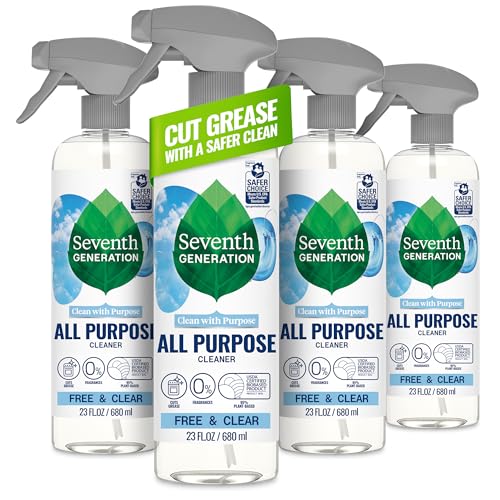
Seventh Generation All Purpose Cleaner, Free & Clear, 23 oz, Pack of 4, Plant-Based Cleaning Spray, Cuts Grease & Grime, No Fragrance or VOCs, Safe for Kids & Pets, Works on Glass, Sealed Wood & More
Seventh Generation All Purpose Cleaner, Free & Clear, 23 oz, Pack of…
VIEW LATEST PRICE
G's Cleaning Biodegradable All Purpose Cleaner – 32 oz Non-Toxic Natural Cleaning Spray – Multipurpose Cleaner Spray for Multi Surface, Kitchen, Counter Top, Furniture, Floor, Home and Household
G's Cleaning Biodegradable All Purpose Cleaner – 32 oz Non-Toxic Natural Cleaning…
VIEW LATEST PRICESwitching to an eco‑friendly routine reduces these risks by using biodegradable surfactants, plant‑based solvents, and low‑impact fragrances. You also lower your carbon footprint: manufacturing greener ingredients consumes less energy, and packaging made from recycled materials cuts waste.
Moreover, sustainable cleaners protect water systems; they break down naturally, preventing harmful residues from entering rivers and oceans. By adopting this approach, you safeguard personal well‑being, support public health, and preserve ecological balance—all while maintaining a clean, safe home.
Daily Tasks That Keep Your Home Fresh and Green
When you start each day with a few simple, eco‑focused habits, your home stays fresh while minimizing environmental impact.
First, open windows for 5‑10 minutes to circulate air, reducing reliance on mechanical ventilation.
Next, wipe kitchen counters with a cloth soaked in diluted white vinegar and water; the solution disinfects without chemicals.
Sweep or vacuum high‑traffic floors, using a HEPA filter bag to trap dust and allergens.
Spot‑clean spills immediately with biodegradable cleaners to prevent staining and mold.
Empty trash bins if they contain food waste, and transfer organics to a compost bin.
Finally, rinse reusable dishware in a basin of soapy water before loading the dishwasher, conserving water and energy.
These actions create a routine that maintains cleanliness, lowers emissions, and supports a sustainable household.
Weekly Deep‑Clean Projects for Every Room

One or two focused sessions each week can tackle the hidden grime that daily chores miss, keeping every room truly clean and sustainable.
In the kitchen, remove appliance doors, scrub hinges with a vinegar‑baking‑soda paste, and wipe interior cabinets using a microfiber cloth dampened with diluted castile soap.
In the bathroom, descale showerheads, clean grout lines with a peroxide‑baking‑soda slurry, and sanitize the toilet base using a plant‑based disinfectant.
In the living area, vacuum upholstery, spot‑clean fabric using a non‑toxic enzyme spray, and dust ceiling fans with a long‑handled duster.
In bedrooms, rotate mattresses, vacuum under the bed, and wash all bedding in hot water with an eco‑friendly detergent.
Follow each task methodically, allowing solutions to dwell, then rinse or wipe clean to prevent residue buildup.
Monthly Maintenance to Extend the Life of Surfaces
If you schedule a brief, focused session each month, you can preserve the integrity of countertops, floors, and tiles while keeping your eco‑friendly routine efficient.
Begin by inspecting high‑traffic zones for wear; note scratches, dull spots, or loosened grout. For stone surfaces, apply a pH‑neutral, biodegradable sealant following manufacturer instructions, allowing it to cure before use.
Wood floors benefit from a light, plant‑based oil or wax applied with a microfiber pad, then buffed to a uniform sheen.
Tile and grout lines should receive a targeted, non‑abrasive scrub using a natural soda‑based paste, rinsed thoroughly, and dried to prevent water intrusion.
Document each action in a simple log, marking date, product, and observed condition, so you can track performance and adjust frequency as needed.
DIY Green Cleaning Supplies You Can Make in Minutes

Three simple recipes let you whip up effective, non‑toxic cleaners in under five minutes, using items you already have at home. You’ll mix vinegar, baking soda, citrus zest, or castile soap to target grime, odors, and streaks. Follow the table for exact ratios, then store each blend in a labeled spray bottle for quick access.
| Cleaner | Ingredients (per 500 ml) |
|---|---|
| All‑purpose | 1 cup white vinegar, 1 cup water, 1 tsp lemon zest |
| Glass | 2 cups water, ¼ cup white vinegar, 1 tsp dish soap |
| Bathroom | ½ cup baking soda, ¼ cup liquid castile soap, 2 cups warm water |
| Floor | 1 cup water, ¼ cup apple‑cider vinegar, 10 drops essential oil |
Measure, combine, shake, and you’re ready to clean sustainably.
Choosing Reusable Tools Over Disposable Ones
When you swap disposable scrubbers for reusable silicone pads, you cut waste, lower costs, and maintain cleaning performance.
Start by inventorying your current tools; note each disposable item’s cost and lifespan. Replace sponges, scrub brushes, and mop heads with durable alternatives—silicone scrub pads, microfiber cloths, and washable mop strings.
Assign a specific storage bin for each reusable piece, label it, and schedule a weekly wash cycle using hot water and a mild detergent. Track usage frequency in a simple log; after a month, compare the cumulative expense of disposables versus the one‑time purchase of reusables.
Adjust quantities based on performance data, ensuring you have enough pads for daily rotation without overstocking. This systematic swap maximizes efficiency while adhering to eco‑friendly standards.
How to Reduce Waste While Cleaning (Reuse, Recycle, Refill)

By integrating reuse, recycling, and refill strategies into your cleaning routine, you can dramatically cut waste without sacrificing effectiveness.
Start by selecting refillable containers for all-purpose cleaners, dish soap, and laundry detergent; purchase bulk concentrates and dilute them as needed.
Store used spray bottles, scrub pads, and microfiber cloths in a dedicated bin for repurposing or donation.
Separate plastic caps, glass jars, and metal lids for recycling, ensuring they’re rinsed to avoid contamination.
When a tool reaches the end of its life, disassemble it to recycle individual components—plastic, metal, and silicone—according to local guidelines.
Finally, adopt a “one‑fill‑one‑use” mindset: refill each bottle before buying a new one, and keep a checklist to track refills, preventing excess inventory and minimizing waste throughout your cleaning schedule.
Time‑Saving Tips for Sticking to the Schedule
If you set a realistic weekly cleaning calendar and batch similar tasks together, you’ll cut down on decision fatigue and unnecessary back‑and‑forth.
Start by grouping all surface cleaning, floor work, and appliance upkeep into dedicated time blocks. Use a timer to allocate precise intervals—15 minutes for countertops, 20 minutes for vacuuming, 10 minutes for dishwasher maintenance.
Keep a stocked caddy of reusable cloths, biodegradable cleaners, and a single spray bottle to avoid hunting for supplies. Pre‑measure solutions and store them in labeled containers, so you pour directly without mixing on the spot.
Automate reminders on your phone or smart speaker to prompt each block, and stick to the sequence until the routine becomes a habit. This systematic approach maximizes efficiency while preserving your eco‑friendly standards.
Tracking Your Progress and Adjusting the Routine

Your weekly calendar and batch‑task system give you a clear baseline, so the next step is to measure results and tweak the plan. Log each cleaning session in a simple spreadsheet, noting date, area, and eco‑product used. Compare actual time spent against the estimated block; if a task consistently exceeds its slot, shrink its scope or shift it to a less‑busy day. Review the data weekly, then adjust the rotation to balance workload and sustainability goals.
| Frequency | Metric | Action |
|---|---|---|
| Daily | Time (min) | Trim tasks that exceed 15 min |
| Weekly | Product volume (ml) | Reduce by 10 % if waste rises |
| Monthly | Energy use (kWh) | Shift high‑energy chores to off‑peak hours |
Conclusion
By following this systematic, eco‑friendly routine you’ll keep your home spotless while cutting chemicals and waste. Daily ventilation and vinegar cleans keep surfaces fresh; weekly deep‑cleans and upholstery care maintain hygiene; monthly inspections and biodegradable sealants extend durability. DIY supplies, reusable tools, and waste‑reduction habits lower your environmental footprint. Stick to the schedule, track progress, and adjust as needed—your home stays healthy, and the planet benefits.
Frequently Asked Questions
What are some effective DIY green cleaning supplies I can make at home?
You can create an all-purpose cleaner by mixing 1 cup of white vinegar, 1 cup of water, and 1 teaspoon of lemon zest. For a glass cleaner, combine 2 cups of water, ¼ cup of white vinegar, and 1 teaspoon of dish soap. These recipes are simple and use common household ingredients.
How can I maintain a cleaning schedule without feeling overwhelmed?
To manage your cleaning schedule effectively, group similar tasks together and allocate specific time blocks for each. Use a timer to keep track of how long you spend on each task, and automate reminders on your phone to help you stay on track until the routine becomes a habit.
What are the benefits of using eco-friendly cleaning products?
Eco-friendly cleaning products reduce exposure to harmful chemicals that can affect your health and the environment. They are made from biodegradable ingredients that break down naturally, protecting water systems and minimizing pollution, which contributes to a healthier home and planet.
How often should I deep clean different areas of my home?
It is recommended to perform deep cleaning tasks weekly for areas like the kitchen and bathroom, where grime accumulates quickly. Monthly inspections and maintenance of high-traffic zones can help extend the life of surfaces and ensure your home remains clean and sustainable.
What are some tips for reducing waste while cleaning?
To reduce waste, opt for reusable cleaning tools instead of disposable items, such as silicone scrub pads and microfiber cloths. Choose refillable containers for cleaning products and purchase in bulk to minimize packaging waste, while also recycling used bottles and components properly.