Natural Cleaning for Allergies: Reduce Toxins and Improve Air Quality
You’re tired of sneezing every time you sweep, so you swap harsh chemicals for a simple vinegar‑water spray and a plant‑based cleaner that won’t irritate your nose. A HEPA‑equipped vacuum pulls the dust mites and pollen that trigger your allergies, while hot‑water washes of bedding and open windows flush out stale air. Keep surfaces clutter‑free, follow a quick routine, and you’ll notice the air feels lighter—just wait until you see how a few extra tweaks can transform your whole home environment.
Your Allergies and Natural Cleaning

Because dust mites love the nooks of a cluttered home, your allergies flare up whenever you skip a quick, natural clean. You can curb the chaos by decluttering high‑traffic zones daily; a basket for mail, a tray for keys, and a bin for shoes keep dust‑collecting surfaces to a minimum.
Swap synthetic sprays for a vinegar‑water mix—spritz countertops, wipe with a microfiber cloth, and watch allergens dissolve without harsh chemicals. Vacuum with a HEPA‑filtered unit, then empty the canister outdoors to avoid re‑circulation.
Open windows for 10 minutes each morning to flush stale air, then close them when humidity spikes. Finally, wash bedding weekly in hot water; the heat kills mites and reduces histamine triggers, keeping your sinuses clear and your nose grateful.
How Plant‑Based Cleaners Cut Airborne Irritants
When you swap synthetic sprays for plant‑based cleaners, you instantly reduce volatile organic compounds that linger in the air and trigger sneezes.
These green formulas use citrus oils, vinegar, and plant‑derived surfactants that break down dust, pollen, and mold spores without releasing harmful vapors.
You’ll notice fewer airborne irritants because the cleaners evaporate quickly, leaving behind only harmless water and biodegradable residues.
To maximize impact, focus on high‑traffic zones—kitchens, bathrooms, and entryways—where pollutants accumulate.
Wipe surfaces with a damp microfiber cloth, allowing the natural agents to trap particles and keep them from re‑aerosolizing.
Regular use keeps the indoor atmosphere cleaner, so your sinuses stay calm and your breathing stays easy.
DIY Non‑Toxic Recipes for Common Household Surfaces

A simple mix of white vinegar, baking soda, and a few drops of citrus essential oil works wonders on kitchen counters, bathroom tiles, and glass surfaces.
Spray the vinegar‑oil blend, let it sit a minute, then sprinkle baking soda and scrub with a non‑abrasive pad. Rinse with warm water and wipe dry for a streak‑free shine.
For wood, dilute a cup of vinegar in a gallon of water, add a teaspoon of olive oil, and mop with a soft cloth; the oil restores luster without harsh chemicals.
Stainless steel appliances love a paste of baking soda and water—apply, let foam, then wipe with a damp cloth.
For grout, combine equal parts vinegar and hydrogen peroxide, spray, scrub, and rinse.
These recipes keep allergens at bay while sparing your nose.
Choosing the Right Eco‑Friendly Products for Sensitive Noses
Even if you’re hyper‑sensitive to chemical fumes, you can still pick eco‑friendly cleaners that won’t trigger your nose. Scan labels for “fragrance‑free,” “non‑volatile,” and “plant‑based.” Opt for products with transparent ingredient lists; if you can’t read them, the formula is probably a mystery. Test a spray on a hidden spot, wait ten minutes, then breathe. If you feel a tickle, discard it. Keep a small “safe‑zone” stash of certified green brands and rotate them to avoid over‑exposure.
| Brand | Key Feature |
|---|---|
| EcoClean | 100 % plant‑based, no synthetic fragrances |
| PureMist | VOC‑free, biodegradable packaging |
| GreenGuard | Certified by EPA Safer Choice |
| FreshLeaf | Hypoallergenic, pH‑balanced |
| NaturePure | No dyes, minimal surfactants |
Stick to these criteria, and your nose will thank you while your home stays spotless.
Cleaning Routines That Keep Dust and Mold at Bay

If you want dust and mold to stay out of your living space, set a schedule and stick to it.
Vacuum twice weekly with a HEPA‑equipped machine, then wipe the floor with a damp microfiber cloth—dry dust clings, wet wipes trap spores.
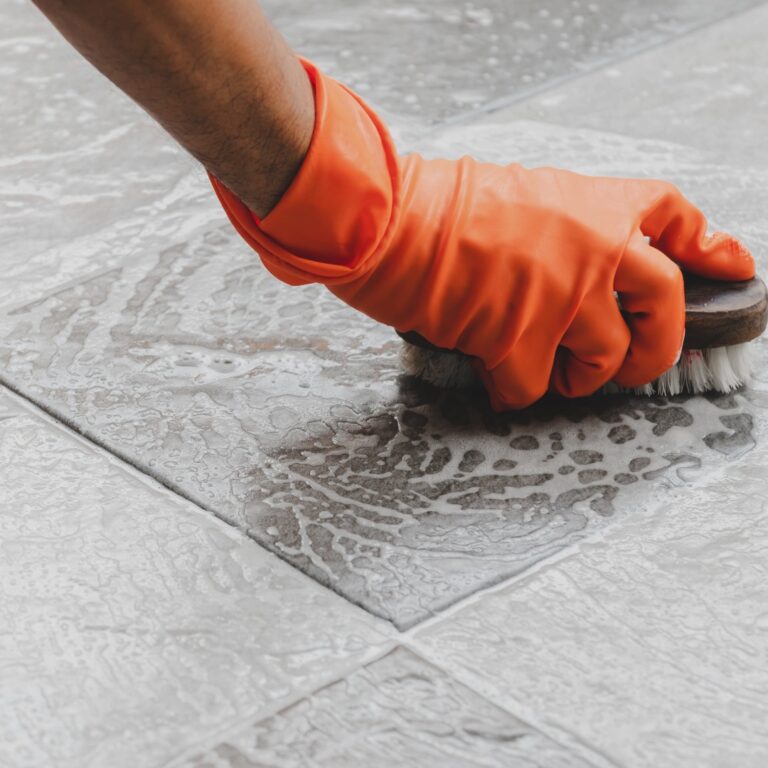
Scrub bathroom tiles every three days using a vinegar‑baking‑soda paste; let it fizz, rinse, and dry.
Wash bedding and pet blankets in hot water weekly; toss them in the dryer for an extra 15 minutes to kill hidden mold.
Declutter surfaces, because every extra knob is a dust magnet.
Use a portable air purifier in high‑traffic rooms and empty its filter weekly.
Finally, open windows for 10 minutes each morning to flush stagnant air, then close them before humidity spikes.
This routine keeps allergens at bay without fuss.
Maintaining Fresh Indoor Air After Every Clean
Since you’ve just finished the cleaning routine, keep the air fresh by immediately ventilating, running a HEPA‑rated purifier, and setting the thermostat to a modest humidity level. Open windows for 10‑15 minutes, then close them to trap the clean breeze. Use a timer on the purifier so it runs at least 30 minutes per room. Check humidity with a cheap sensor; aim for 40‑50 % to deter mold without over‑drying your skin.
| Mood | Action |
|---|---|
| Relief | Open windows, inhale deep |
| Confidence | Activate HEPA purifier |
| Comfort | Adjust humidity to 45 % |
These steps lock in cleanliness, prevent re‑contamination, and let you breathe easy all day.
Conclusion

You’ve seen how simple, plant‑based cleaners and a HEPA‑equipped vacuum can slash allergens, while hot‑water laundry and fresh‑air windows keep toxins at bay. Stick to the DIY recipes, keep clutter minimal, and schedule regular dust‑and‑mold checks. By making these eco‑friendly habits routine, you’ll breathe easier, reduce flare‑ups, and enjoy a healthier home without the chemical overload.
Frequently Asked Questions
What are some effective natural cleaning solutions for allergy sufferers?
Natural cleaning solutions like a vinegar-water mix and plant-based cleaners are effective for allergy sufferers. These options help dissolve allergens without releasing harsh chemicals, making your home environment healthier.
How often should I vacuum and clean to keep allergens at bay?
To keep allergens at bay, you should vacuum with a HEPA-equipped vacuum twice weekly and clean surfaces regularly, ideally every few days. Additionally, washing bedding and pet blankets in hot water weekly can significantly reduce dust mites and other allergens.
What should I look for when choosing eco-friendly cleaning products?
When choosing eco-friendly cleaning products, look for labels that say 'fragrance-free,' 'non-volatile,' and 'plant-based.' Transparent ingredient lists are also important; if you can’t easily read the ingredients, it’s best to avoid that product.
How can I maintain fresh indoor air after cleaning?
To maintain fresh indoor air after cleaning, open windows for 10-15 minutes to ventilate the space and run a HEPA-rated air purifier. It's also helpful to monitor humidity levels, aiming for around 40-50%, to prevent mold growth without drying out the air.
What are some DIY recipes for natural cleaning products?
Simple DIY recipes include mixing white vinegar and baking soda for kitchen and bathroom surfaces, or combining vinegar with olive oil for wooden surfaces. For stainless steel, a paste of baking soda and water works well to clean without harsh chemicals.