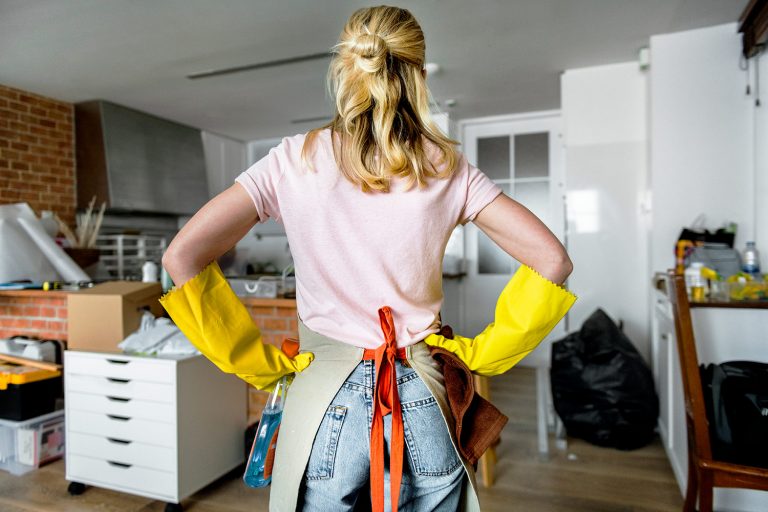
Common Toxins in Store Bought Cleaners
If you’ve ever considered what’s inside your household cleaning products, you might be surprised to find that many store-bought cleaners contain toxic chemicals. Ingredients like sodium hydroxide, sodium hypochlorite (bleach), quaternary ammonium compounds, and volatile organic compounds (VOCs) are common in products such as laundry detergents and toilet bowl cleaners. These chemicals can irritate your skin, eyes, and respiratory system, posing risks to your health and contributing to environmental pollution.

Recognizing these harmful ingredients is the first step to making safer choices for your family and the planet. Programs like the Environmental Protection Agency’s Safer Choice initiative and the Environmental Working Group’s (EWG) Verified label highlight products with safer, natural alternatives, such as baking soda and vinegar.
Eco-Friendly Cleaning Products

Nyco MARVALOSA Fresh Lavender Multi-Purpose Cleaner & Deodorizer – Gallon Bottle – EPA Safer Choice Certified – Concentrated – Cleans Dirt & Light Oils – Smells Great!
Nyco MARVALOSA Fresh Lavender Multi-Purpose Cleaner & Deodorizer – Gallon Bottle -…
VIEW LATEST PRICE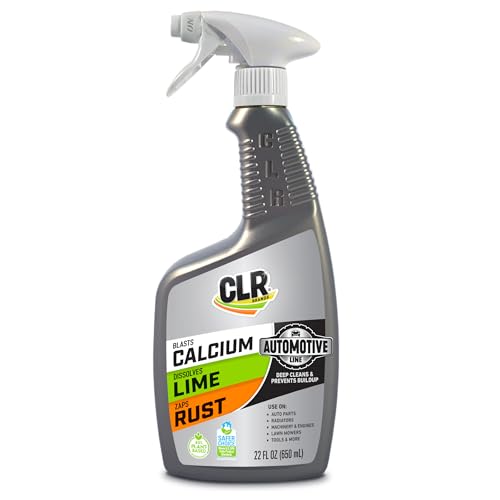
CLR Brands Automotive Calcium, Lime & Rust Remover Spray, 22 oz., Cleaning Spray for Multiple Surfaces, EPA Safer Choice Certified, Ammonia, Phosphate and Bleach Free Cleaner
CLR Brands Automotive Calcium, Lime & Rust Remover Spray, 22 oz., Cleaning…
VIEW LATEST PRICE
CLR Brands® Automotive Calcium, Lime & Rust Remover, Cleaner for Multiple Surfaces, EPA Safer Choice Certified, Ammonia, Phosphate and Bleach Free Cleaner, 80 Oz
CLR Brands® Automotive Calcium, Lime & Rust Remover, Cleaner for Multiple Surfaces,…
VIEW LATEST PRICERead on to learn how to minimize exposure to toxic cleaning products and switch to eco-friendly options that ensure cleanliness while protecting your health and the environment.
Why Cleaning Isn’t Always Clean
Keeping your home, school, or workplace clean protects your health—but the products used to do that job often carry hidden dangers. Many common cleaners—soaps, polishes, air fresheners, even personal grooming products—contain chemicals linked to respiratory problems, skin irritation, hormone disruption, and more. Even products marketed as “natural” or “green” may still contain harmful compounds. Some are flammable. Others are corrosive. A few can trigger chronic illness over time.
This isn’t alarmism—it’s chemistry.

Click on the above image to view its full size.
Many cleaning products release volatile organic compounds (VOCs). These are chemicals that evaporate at room temperature, silently filling your air with substances that can irritate the eyes and throat, cause headaches, and worsen asthma. Some “natural” scents—like citrus—can react with air to produce indoor pollutants you can’t see, but your body can feel.

Known Risks. Everyday Exposure.
Studies link exposure to these substances with chronic respiratory illness, allergic reactions, and occupational asthma. Even routine use—spraying a kitchen counter, mopping a floor, freshening a bathroom—can create a chemical buildup in the air.
Common culprits include:
- Aerosol sprays (cleaning, beauty, or health products)
- Air fresheners
- Chlorine bleach*
- Detergents and dish soaps
- Dry cleaning solvents
- Upholstery and carpet cleaners
- Furniture polish
- Oven cleaners
*Never mix bleach with ammonia-based cleaners. The resulting gas can damage your lungs—and, in concentrated form, can be fatal.
Long-Term Consequences
Beyond immediate effects, repeated exposure to toxic chemicals in household cleaners can result in long-term health problems. Research links chronic use of these products to respiratory diseases, including occupational asthma, while some ingredients are associated with developmental and reproductive issues. Certain cleaning chemicals contain carcinogenic impurities like 1,4-dioxane and formaldehyde-releasing preservatives, increasing the risk of cancer with prolonged contact.

Pregnant women exposed to toxic cleaners may elevate the risk of birth defects. These concerns underscore the importance of understanding cleaning product ingredients and choosing safer alternatives to protect long-term health.
Protection Starts With Awareness
To reduce your exposure:
- Read every label before purchasing a cleaning product.
- Avoid products with VOCs, strong fragrances, or flammable ingredients.
- Don’t assume “green” means safe. It often doesn’t.
- Skip air fresheners completely—they mask odors by releasing chemicals into your air.
Many manufacturers aren’t required to list all ingredients, so check credible databases. The U.S. EPA’s Safer Choice list identifies products that meet rigorous safety standards.
Choosing Safer and Effective Alternatives
Eco-Friendly Ingredients
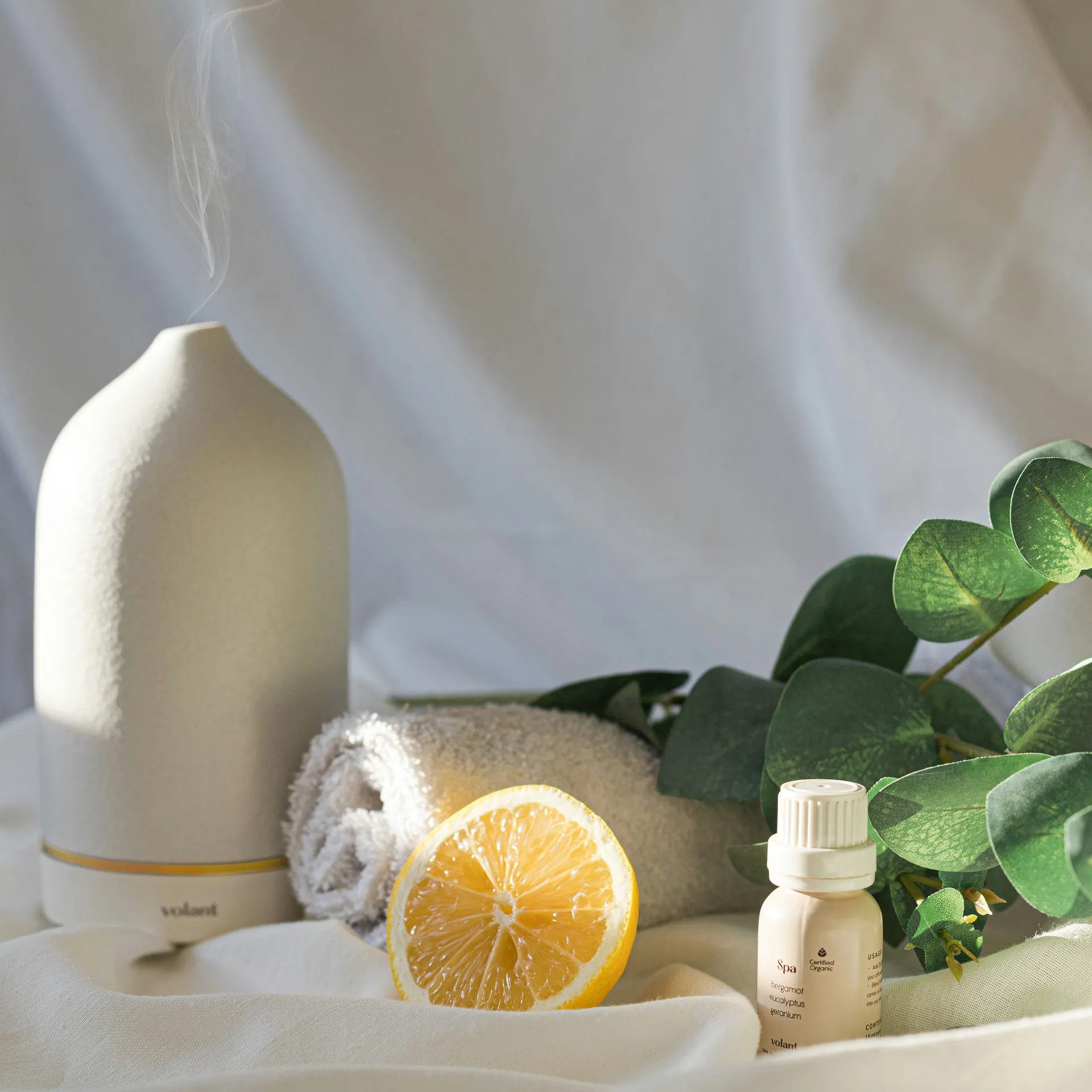
When selecting safer cleaning products, prioritize those made with eco-friendly ingredients that are gentle on your skin and the environment. Natural components such as baking soda, organic chamomile, castile soap, and vinegar are popular choices for their effectiveness and mild nature.
Brands like Branch Basics offer concentrates that replace multiple harsh cleaners with simple, biodegradable formulas. These products make it easy to clean your entire home while avoiding toxic chemicals. Natural ingredients provide powerful cleaning capabilities without the harsh fumes or residues often found in conventional household cleaning products.
Check Labels and Certifications
To avoid toxic cleaning products, carefully read product labels and look for trusted certifications. Programs like the Environmental Protection Agency’s Safer Choice label and the Environmental Working Group’s Verified mark indicate products that meet strict health and environmental standards.
These certifications ensure that ingredients exclude harmful chemicals such as quaternary ammonium compounds and phthalates, which can irritate skin and eyes or contribute to indoor pollution. By choosing cleaners with these labels, you protect both your family’s health and the environment.
DIY Cleaning Solutions
If you prefer complete control over your cleaning supplies, making your own household cleaners is a practical and cost-effective alternative. Simple recipes using baking soda and vinegar, or castile soap mixed with water, can tackle a variety of cleaning tasks, including laundry detergent and bathroom cleaning. Adding essential oils like tea tree or lavender provides natural disinfectant properties and fresh scents without toxic chemicals.
DIY solutions are safer for your skin and lungs, and they also help reduce plastic waste and chemical exposure in your home.
Most importantly: ventilate. Always. Open windows and doors while cleaning. Don’t use chemicals in confined areas—especially not without airflow.
Your health shouldn’t be a tradeoff for a clean surface.
Clean smarter, not harsher.
And always breathe with care.