How to Choose Environmentally Friendly Cleaning Products
You want a clean home without compromising the planet, but the market’s full of vague claims and confusing labels. By learning how to decode certifications, spot truly biodegradable ingredients, and avoid hidden toxins, you can pick products that actually protect your health and the environment. The next step shows you how to recognize the right packaging and transparent brands, so you can make confident, sustainable choices.
Key Takeaways

- Look for recognized eco‑certifications (EPA Safer Choice, Green Seal, Ecocert) and verify claims on the certifier’s website.
- Scan the ingredient list for plant‑based, biodegradable components (e.g., citric acid, baking soda) and avoid vague “fragrance” or “essential oil blend” terms.
- Choose products packaged in recyclable or refillable containers such as glass, aluminum, or HDPE, and follow local recycling guidelines.
- Prioritize brands that disclose sourcing, sustainable farming, and transparent life‑cycle assessments.
- Never mix cleaners; follow each product’s usage and disposal instructions to prevent hazardous reactions and protect water sources.
What Does “Eco‑Friendly” Really Mean for Cleaning Products?

Eco‑friendly cleaning products are those that minimize harm to the planet and your health. They use biodegradable ingredients, avoid persistent toxins, and come in recyclable packaging.
Eco-Friendly Cleaning Products


Earth Friendly Products Shower Cleaner Made with Tea Tree Oil, 22 Ounces
Earth Friendly Products Shower Cleaner Made with Tea Tree Oil, 22 Ounces
VIEW LATEST PRICE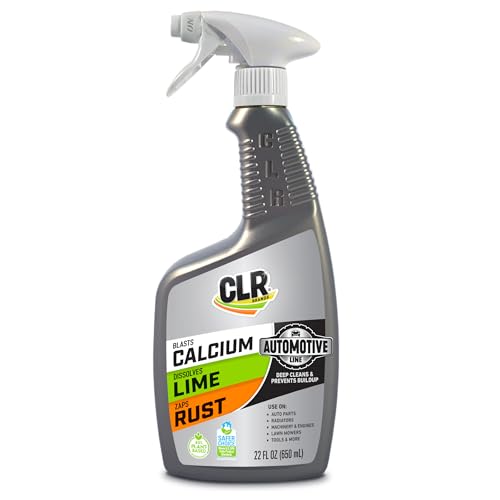
CLR Brands Automotive Calcium, Lime & Rust Remover Spray, 22 oz., Cleaning Spray for Multiple Surfaces, EPA Safer Choice Certified, Ammonia, Phosphate and Bleach Free Cleaner
CLR Brands Automotive Calcium, Lime & Rust Remover Spray, 22 oz., Cleaning…
VIEW LATEST PRICE
Nyco MARVALOSA Fresh Lavender Multi-Purpose Cleaner & Deodorizer – Gallon Bottle – EPA Safer Choice Certified – Concentrated – Cleans Dirt & Light Oils – Smells Great!
Nyco MARVALOSA Fresh Lavender Multi-Purpose Cleaner & Deodorizer – Gallon Bottle -…
VIEW LATEST PRICEYou’ll notice fewer phosphates, chlorine, and synthetic fragrances, which can pollute waterways and irritate lungs. Instead, they rely on plant‑based surfactants, enzymes, and naturally derived solvents that break down quickly without lingering residues.
Look for transparent label claims and safety data sheets that detail ingredient origins and disposal impacts. By choosing these formulas, you reduce chemical load in your home, lower the risk of allergic reactions, and support manufacturing practices that conserve resources and cut greenhouse‑gas emissions.
This approach aligns everyday cleaning with broader environmental stewardship.
How to Spot Trusted Eco‑Friendly Certifications (Epa Safer Choice, Green Seal, Etc.)

Where can you find reliable proof that a cleaning product truly meets environmental standards? Look for recognized certifications on the label: EPA Safer Choice, Green Seal, and Ecocert signal rigorous testing and transparent criteria. These logos aren’t marketing fluff; they guarantee reduced toxicity, biodegradable ingredients, and sustainable packaging. Scan the front and back of the bottle, then verify the certifying body’s website if you’re unsure.
| Certification | What It Guarantees |
|---|---|
| EPA Safer Choice | Safer chemicals, lower environmental impact |
| Green Seal | Life‑cycle assessment, reduced VOCs |
| Ecocert | Organic content, strict biodegradability |
Reading Labels: Quickly Identify Safe vs. Hazardous Ingredients

After spotting a trusted certification, turn your attention to the ingredient list to separate the benign from the harmful.
Scan the first few lines; manufacturers often highlight the most active components there. Look for familiar, non‑toxic names like citric acid, baking soda, or plant‑derived surfactants.
If you see vague terms such as “fragrance,” “parfum,” or “essential oil blend,” assume a mix of undisclosed chemicals and research them later.
Pay special attention to numbers—CAS identifiers let you check safety databases instantly.
Avoid ingredients ending in “phosphate,” “chlorine,” “phthalate,” or “quaternary ammonium,” as they’re commonly linked to environmental or health risks.
Spot Biodegradable Ingredients and Flag Harsh Chemicals

When you scan a product’s ingredient list, look for terms that signal biodegradability—such as “plant‑based surfactant,” “sodium citrate,” or “enzymatic cleaner”—and flag anything that ends in “phosphate,” “chlorine,” “phthalate,” or “quaternary ammonium” as potentially harsh.
| Biodegradable | Harsh Flag |
|---|---|
| Coconut‑derived surfactant | Sodium phosphate |
| Lemon‑oil solvent | Chlorine bleach |
| Enzyme blend | Phthalate plasticizer |
| Corn‑based glycol | Quaternary ammonium |
| Saponin extract | Triclosan |
These cues let you quickly weed out toxins and keep your cleaning routine green. By memorizing the green‑light words and the red‑flag suffixes, you’ll spot safe choices in seconds, reducing waste and protecting indoor air quality.
Choosing Recyclable or Refillable Packaging for Eco‑Cleaning Products

If you prioritize sustainability, look for cleaning products packaged in materials that can be recycled or refilled, because the container often has a bigger environmental impact than the formula itself.
Choose glass, aluminum, or high‑density polyethylene (HDPE) bottles, which have robust recycling streams and can be repurposed many times.
When a brand offers a refill station or bulk dispenser, you cut down on single‑use waste and lower transportation emissions.
Check the packaging label for recycling codes and ensure your local curbside program accepts them.
Avoid mixed‑material containers, as they’re harder to process and often end up in landfill.
Simple Checklist to Compare Ingredient Lists at a Glance

A quick glance at the label can reveal whether a cleaner is truly green: check for a short, transparent ingredient list, prioritize biodegradable or plant‑based components, and flag any synthetic fragrances, phosphates, or chlorine.
First, count the ingredients—fewer than ten usually means less complexity.
Next, look for recognizable names like “coconut surfactant” or “citric acid” instead of cryptic E‑numbers.
Then, verify that the formula is free of phosphates, chlorine bleach, and artificial dyes.
Finally, confirm the presence of a biodegradability claim or a certification logo.
Prioritizing Brands With Transparent Sustainable Sourcing

Your quick‑check list gets you to the shelf, but the next step is to verify where those green ingredients come from.
Look for brands that publish detailed sourcing maps, farm‑level certifications, and third‑party audit reports. When a company discloses the origin of its plant‑based surfactants, you can confirm they’re grown without harmful pesticides and harvested responsibly.
Check for clear statements about renewable energy use in production facilities and waste‑reduction initiatives. If the website links to traceability tools or blockchain ledgers, that’s a strong signal of transparency.
Prioritize products that provide carbon‑footprint data for each ingredient, and avoid vague “eco‑friendly” claims that lack verifiable evidence.
This approach ensures the cleaners you buy truly support sustainable ecosystems.
Balancing Cost and Environmental Impact for Everyday Cleaners

While you’re hunting for daily cleaners, weigh the price tag against the true environmental cost. You can spot a sweet spot by comparing upfront price, ingredient toxicity, packaging waste, and biodegradability. Choose products that cost a bit more but use plant‑based surfactants, recyclable bottles, and minimal synthetic fragrances. Remember, a cheap spray often hides hidden ecological damage that adds up over time. Your wallet and the planet both benefit when you prioritize long‑term sustainability over short‑term savings.
| Factor | Impact |
|---|---|
| Price | Immediate expense |
| Toxicity | Health & ecosystem risk |
| Packaging | Waste & landfill burden |
| Biodegradability | Long‑term soil & water health |
Testing Performance of Eco‑Friendly Cleaning Products Without Compromising Safety

Even if you’re skeptical about green formulas, you can verify their cleaning power without risking health. Start by selecting a representative spot—like a kitchen counter or bathroom tile—and apply the product exactly as the label directs.
Use a timer to record how long it takes to lift a standard stain, then wipe with a clean cloth and assess residue. Compare the result to a conventional cleaner under identical conditions.
To keep safety in check, wear disposable gloves, work in a well‑ventilated area, and avoid mixing products. Document each test with photos and notes, then calculate a performance score based on stain removal, streak‑free finish, and any odor.
This data‑driven approach lets you confidently choose eco‑friendly cleaners that truly work.
Storing and Disposing Eco‑Cleaning Products Properly for Long‑Term Sustainability

After testing a product’s cleaning power, you’ll want to keep it effective and safe for future use. Store eco‑cleaners in cool, dry places away from direct sunlight to preserve active ingredients. Keep lids tightly sealed and label each container with the date of opening, so you can track shelf life and avoid using expired solutions.
Use opaque or dark‑colored bottles for light‑sensitive formulas, and place them on a stable shelf to prevent spills. When a product reaches the end of its usable life, dispose of it responsibly: pour small amounts down the drain with plenty of water if the label says it’s safe, or take larger volumes to a hazardous‑waste facility.
Never mix different cleaners, as reactions can create hazardous fumes. Finally, recycle the packaging—choose containers marked “recyclable” and rinse them before placing them in the appropriate bin. This routine protects the environment and extends the sustainability of your cleaning regimen.
Conclusion

By focusing on biodegradable ingredients, trusted certifications, clear labeling, and recyclable or refillable packaging, you’ll pick cleaners that protect both your home and the planet. Prioritize transparent brands, balance cost with impact, and test performance without sacrificing safety. Store and dispose of products responsibly, and you’ll keep your space sparkling while supporting sustainable practices.
Frequently Asked Questions
What certifications should I look for in eco-friendly cleaning products?
You should look for recognized eco-certifications such as EPA Safer Choice, Green Seal, and Ecocert. These certifications indicate that the products have undergone rigorous testing for reduced toxicity, biodegradable ingredients, and sustainable packaging. Always verify claims by checking the certifier's website.
How can I identify biodegradable ingredients in cleaning products?
To identify biodegradable ingredients, look for terms like 'plant-based surfactant,' 'citric acid,' or 'enzymatic cleaner' on the label. Avoid vague terms such as 'fragrance' or ingredients ending in 'phosphate' or 'chlorine,' as these may indicate harmful substances.
What types of packaging are considered sustainable for cleaning products?
Sustainable packaging options include glass, aluminum, or high-density polyethylene (HDPE) containers, which are recyclable and have robust recycling streams. Look for brands that offer refillable options or bulk dispensers to minimize single-use waste.
How should I store and dispose of eco-friendly cleaning products?
Store eco-friendly cleaners in cool, dry places away from direct sunlight and keep the lids tightly sealed. For disposal, follow the label's instructions—pour small amounts down the drain with plenty of water if safe, or take larger volumes to a hazardous-waste facility, and always recycle the packaging when possible.
Can eco-friendly cleaning products perform as well as conventional cleaners?
Yes, eco-friendly cleaning products can perform effectively if tested properly. Conduct a side-by-side comparison using a consistent method, and evaluate their performance based on stain removal, residue left behind, and overall effectiveness. You may find that many green products work just as well as conventional ones without compromising safety.